Wednesday, 20 March 2013

2014 JAGUAR XK                                                      


The 2013 XK is a 2-door, 4-passenger luxury sports car, or convertible sports car, available in 8 trims, ranging from the XK Touring Coupe to the XKR-S Convertible.


Upon introduction, the XK Touring Coupe is equipped with a standard 5.0-liter, V8, 385-horsepower engine that achieves 16-mpg in the city and 24-mpg on the highway. The XKR-S Convertible is equipped with a standard 5.0-liter, V8, 550-horsepower, supercharged engine that achieves 15-mpg in the city and 22-mpg on the highway. A 6-speed automatic transmission with overdrive is standard on both trims.


Elegant, modern, and still very sporty, the Jagaur XK range offers a bit of something for a wide range of tastes.

For the performance oriented, there's the Jaguar XKR and XKR-S. The former is a 510-horsepower, 461 pound-feet of torque super sports car that'll knock off 4.6-second 0-60 mph runs, hit a top speed of 174 mph (with the Dynamic Pack), and look every bit the part all the way there. Aerodynamic enhancements like a front spoiler, rear diffuser, side sills, and other tweaks, including a lower, firmer suspension and 20-inch wheels add up to spell speed.

If you'd like a little more, that's the XKR-S. Rated at 550 horsepower through a more intensive tune on the same 5.0-liter V-8 engine found throughout the lineup, the XKR-S can hit 60 mph in just 4.2 seconds and a top speed of 186 mph.
An adaptive suspension helps balance ride and performance (though the balance is still on the performance side), and an active differential aids forward thrust. The four-mode stability control system is remapped to allow more wheel spin, and hence more driving fun, while retaining a safety net.

But what if you're into luxury and comfort as much as you are performance? There's still the standard XK, which is no slowpoke, with a 385-horsepower version of the 5.0-liter V-8 under the hood.
The XK's 5.2-second 0-60 mph times marry with the six-speed ZF automatic transmission to deliver smooth, quick acceleration even in snow (there's a mode for it). Ride quality is controlled and taut without being uncomfortable, thanks in part to adjustable dampers. Easy, fairly light steering is quick to turn the car, and the brakes are not excessively grabby around town, while still providing ample stopping power.

Though you'll get a different interpretation in each, all models of the XK offer excellent accommodations. Beautiful design, quality materials, and some nice high-tech options are all present.
The touchscreen system could do with an update, however, as it tends to be laggy in reaction to inputs for climate, audio, and navigation controls. Those who like the extremes of both sport and luxury will be glad to know the XKR-S rolls up most of the list of optional upgrades into its standard equipment.

For the full details, including more about features, options, and gas mileage, check out the full review at The Car Connection.

Specs: Select a Trim

2dr Coupe (4)MSRPInvoiceMPG CityMPG Hwy
2dr Coupe Specs$84,500$77,7401624
2dr Coupe XKR Specs$97,500$89,7001522
2dr Coupe XKR-S Specs$132,000$121,3491522
2dr Coupe Touring Specs$79,000$72,6371624
2dr Convertible (4)MSRPInvoiceMPG CityMPG Hwy
2dr Convertible Specs$90,500$83,2601622
2dr Convertible XKR Specs$103,500$95,2201522
2dr Convertible XKR-S Specs$138,000$126,8691522
2dr Convertible Touring Specs$85,000$78,1571622


Saturday, 9 March 2013


        C Class


Mercedes-Benz C-Class Review

Green and clean fuels seem to be the mantra these days. Bio-fuels, hybrids and electric cars are what car manufacturers are leaning towards. The development costs of these technologies are high and the impact of this directly impacts customers. Mercedes-Benz too believes in saving our blue planet (as earth appears when viewed from the space) and recently we saw their BlueEfficiency technology being used in their new cars (Yes, BlueEfficiency won the CarWale Green initiative award). We first saw it on the E350 CDI, and now even the new C200 CGI has been badged with the BlueEfficiency tag. The BlueEfficiency cars have undergone changes in their aerodynamic design, powertrains and have made use of lighter construction materials in some cases.

Design:
The C200 CGI hasn’t undergone any cosmetic changes on its exteriors and interiors. The car comes with the same wide chrome horizontal slats on the front grille (more spaced on the Avantgarde trim with the large central star), sculpted bone line and flared wheel arches. The C-Class had scored a maximum of 5-stars in the EuroNCAP rating, in which the saloon scored these 5-stars in adult occupant protection.

Interiors:
The interiors haven’t changed either. We still miss the Harmon/Kardon Logic 7 music system and to our dismay, the rear seat space (for tall people) is a bit cramped, the left hand side mirror is too small and we also missed the USB port in the sedan. The interiors are well insulated from the outside resulting in barely any sound intruding into the cabin (at speeds in excess of 120kph there is some wind noise) and you don’t even feel speed in the car.

Powertrain:
Mercedes-Benz launched the C-Class with a new engine and badged it as the C200 CGI Blue Efficiency. This sedan replaced the old C200 Kompressor, which is basically a 1.8-litre petrol engine (code name: M271) with supercharger. Now, the new C200 CGI comes with the same 1.8-litre engine block (new code name: M271 Evo) and now has direct injection with spray-guided combustion and a turbocharger.  This new valvetrain has piezo-injectors which help to deliver multiple injections during a power stroke resulting in enhanced performance and the intake manifold can even supply excess air while cruising for improved fuel efficiency.
The 2496cc V6 musters 204bhp@6100rpm and a massive 245Nm from 2900 to 5500rpm. Open the engine bay and you’ll find everything is swathed under plastic, which makes everything look really neat, but will disappoint the people who prefer DIY work. That flat torque curve reflects in the way the car responds to every throttle input – not once did we feel that the car was underpowered. Of course, the A4 with the 3.2 V6 is much faster and has a 60bhp advantage, but that car is scary fast. The C never makes you feel like you’re biting off more than you can chew, it’s just a smooth surge to the redline and the next upshift.
It pootles along in the highest possible gear when driven carefully, never giving a hint of what it is capable of. Floor the throttle, however, and it will not snap your head back, but give you a strong shove in the small of your back, and before you know it, you’ll be doing silly speeds.

Driving Dynamics:
The C200CGI like any other Mercedes-Benz has a smooth and composed ride at both low and high speeds. The seats are very comfortable unfortunately the front row seats aren’t completely electric (we had a similar complaint when we drove theE-Coupe). The lumbar support is adjustable manually. The C200 CGI is a good handler and the C-Class comes with Agility Control suspension which adjusts the shock absorbers according to driving conditions and driving mode. The Agility Control speed sensitive steering feels very artificial however, the car takes up most of the bends well at good speeds. The C-Class comes with either 16” or 17” wheels. The C250 CDI and C250 come with 17-inch tyres, while the C200 CGI is equipped with 205/55/R16 tyres. Our test car ran on Dunlop Sport 01 tyres which gripped well on dry as well as on wet surfaces, however, there was some tyre roar on concrete roads. The brakes on the C200 CGI were good and they bite progressively. The brake pedal felt a bit soggy, but the brakes did their job. In our brake test, the C200 CGI covered 32.2m from a speed of 80kph to come to a complete standstill.

Overall Evaluation:
The Mercedes-Class C200 CGI BlueEfficiency (the cheapest C-Class) costs Rs 28.44lakh (ex-showroom, Mumbai) which is a little expensive considering its overall features, but let us not forget that this is also your passport into the elite Three-Pointed Star club. The C200 CGI is the most basic Mercedes-Benz sold in India. It is a perfect car for those wanting it merely to enhance their status in society. In India, Mercedes-Benz is considered to one of the biggest luxury car makers and has a better resale value than most its competition. If a chauffer drives you to work during the day and you are a boy racer by night, this is undoubtedly the Mercedes for you at this price tag.........


Thursday, 28 February 2013


  RAPIDE


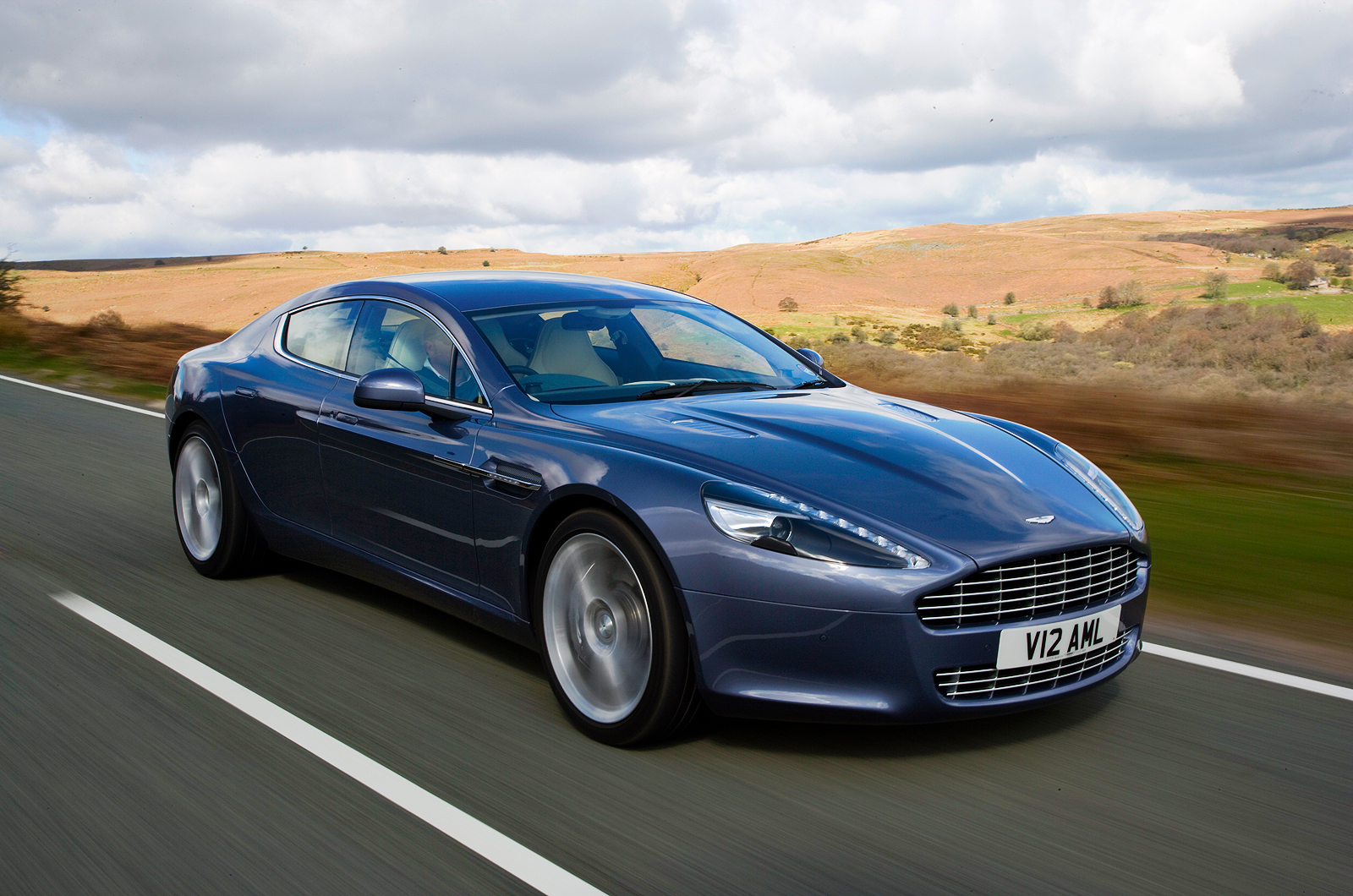
There is an inherent correctness about the idea of a four-seat, four-door Aston Martin based on the excellent VH platform
Aston Martin Rapide
The Aston Martin Rapide’s only genuine ancestor is the Lagonda that Aston Martin made over a quarter of a century ago. The idea of a new four-door, four-seat Aston based on the company’s existing VH platform first saw the light of day at the Detroit show in 2006, shortly after Aston had been sold by Ford to its new band of shareholders, who green-lighted the car pretty much the moment they set eyes on it.
Aston Martin Rapide
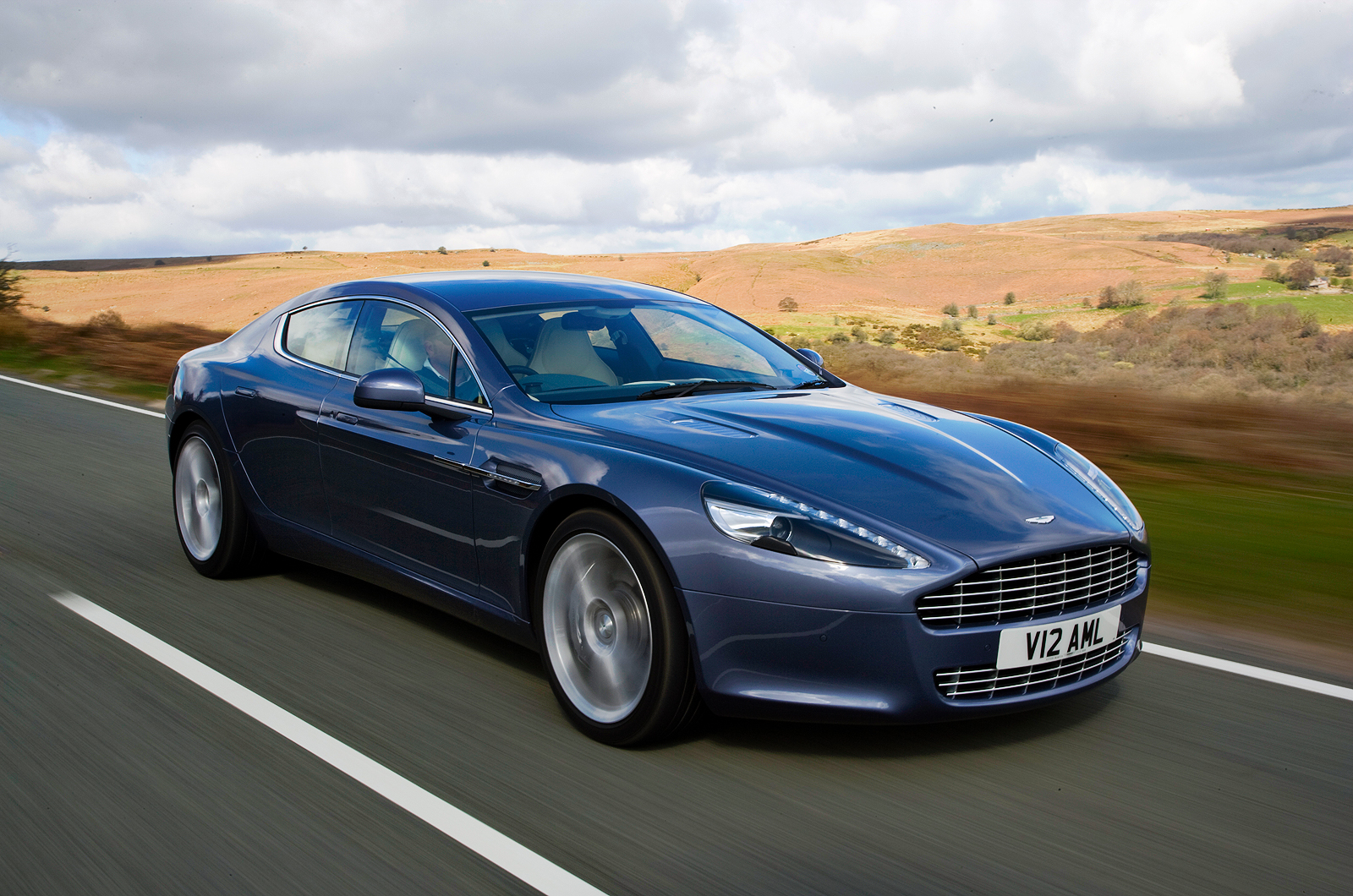
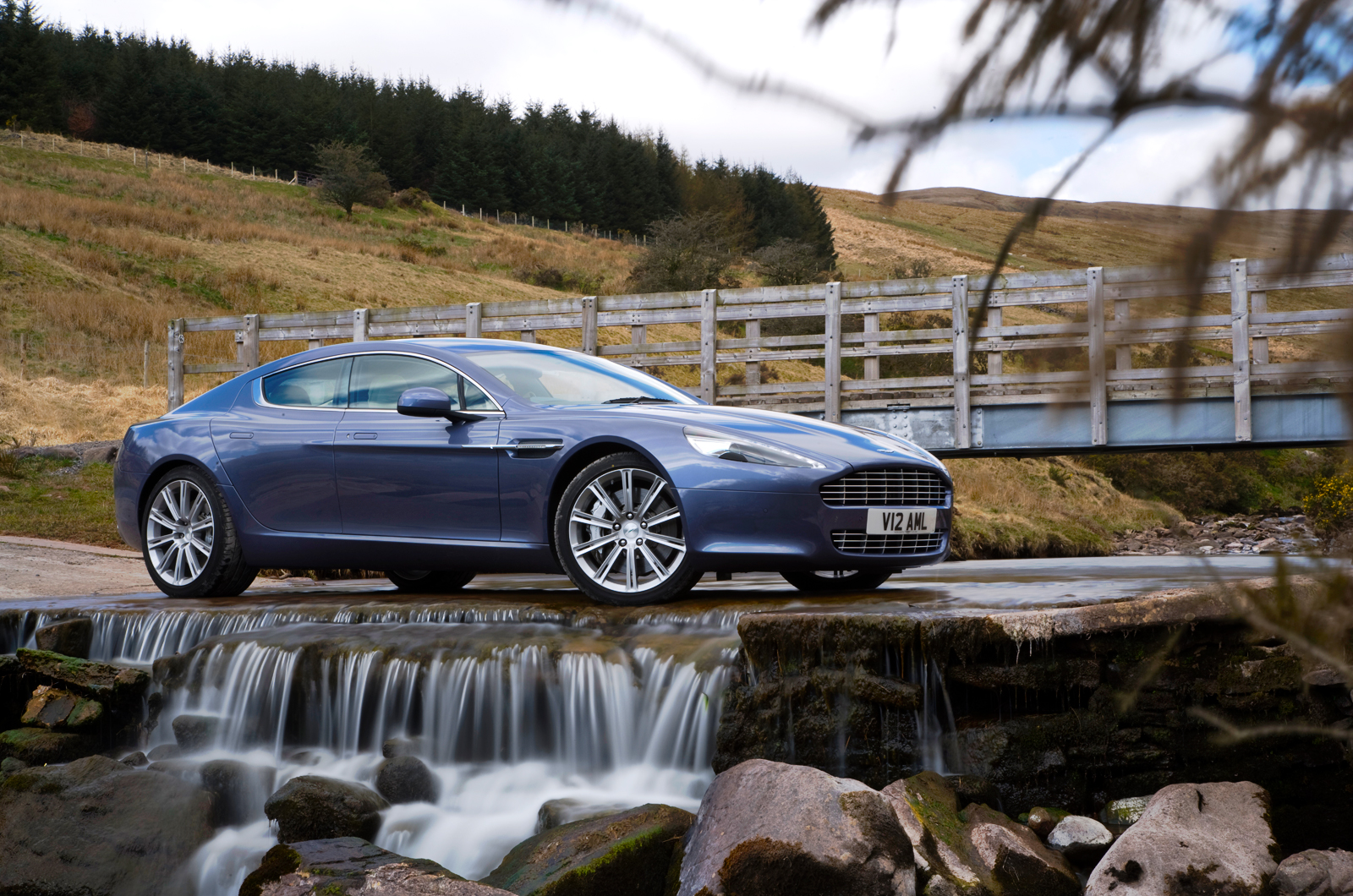
Aston Martin describes the Rapide as “the most elegant four-door sports car in the world”. It’s a bold claim from an increasingly confident car company, but not one that can be dismissed as hyperbole. Because from the moment this car was announced there has been an inherent correctness about the idea of a four-seat, four-door Aston Martin based on the already excellent VH platform.
Nic

Cackett

Road tester
The biggest test the Rapide faces is whether it has sufficient luxury and presence to justify its startlingly high price
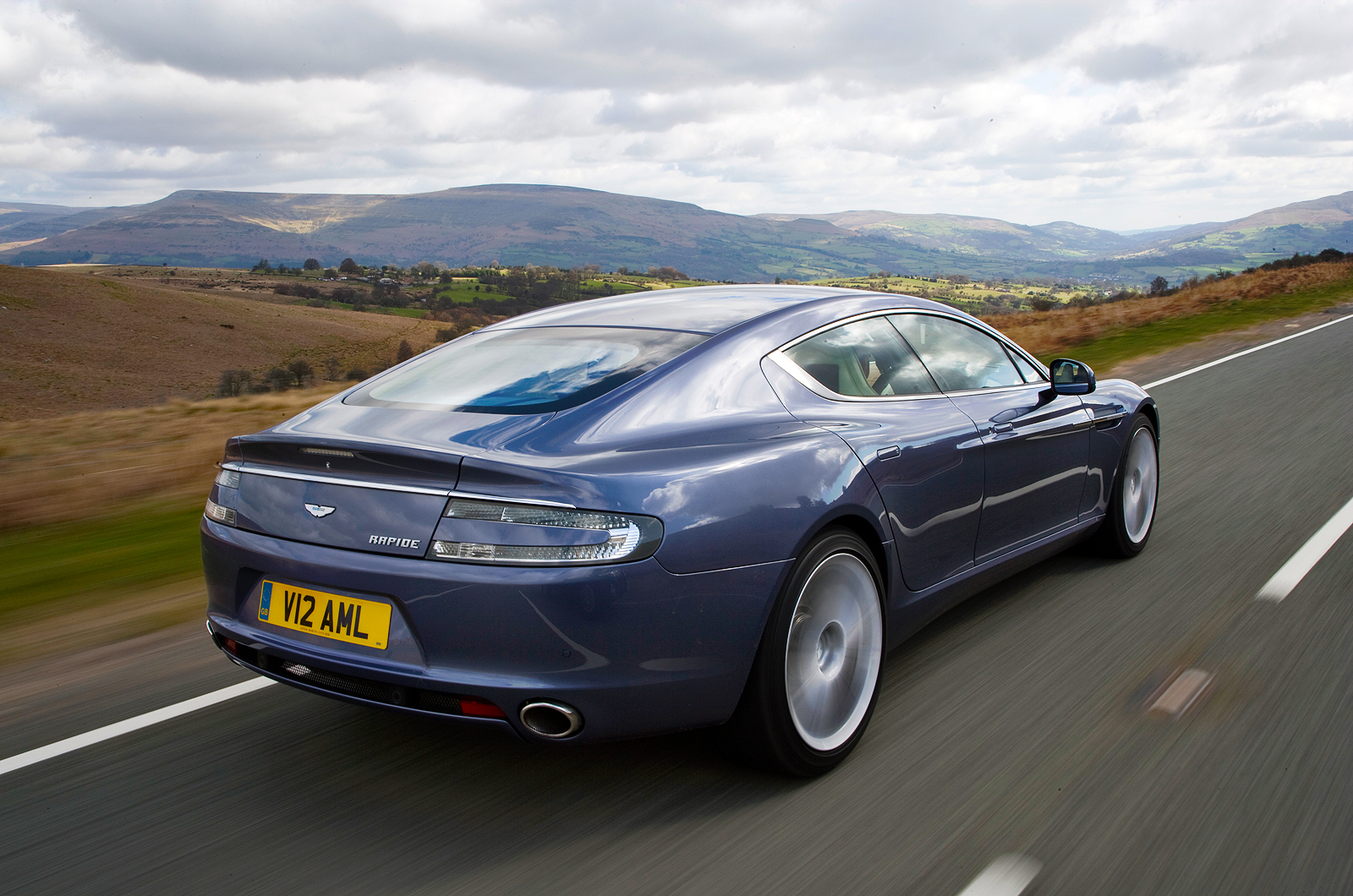
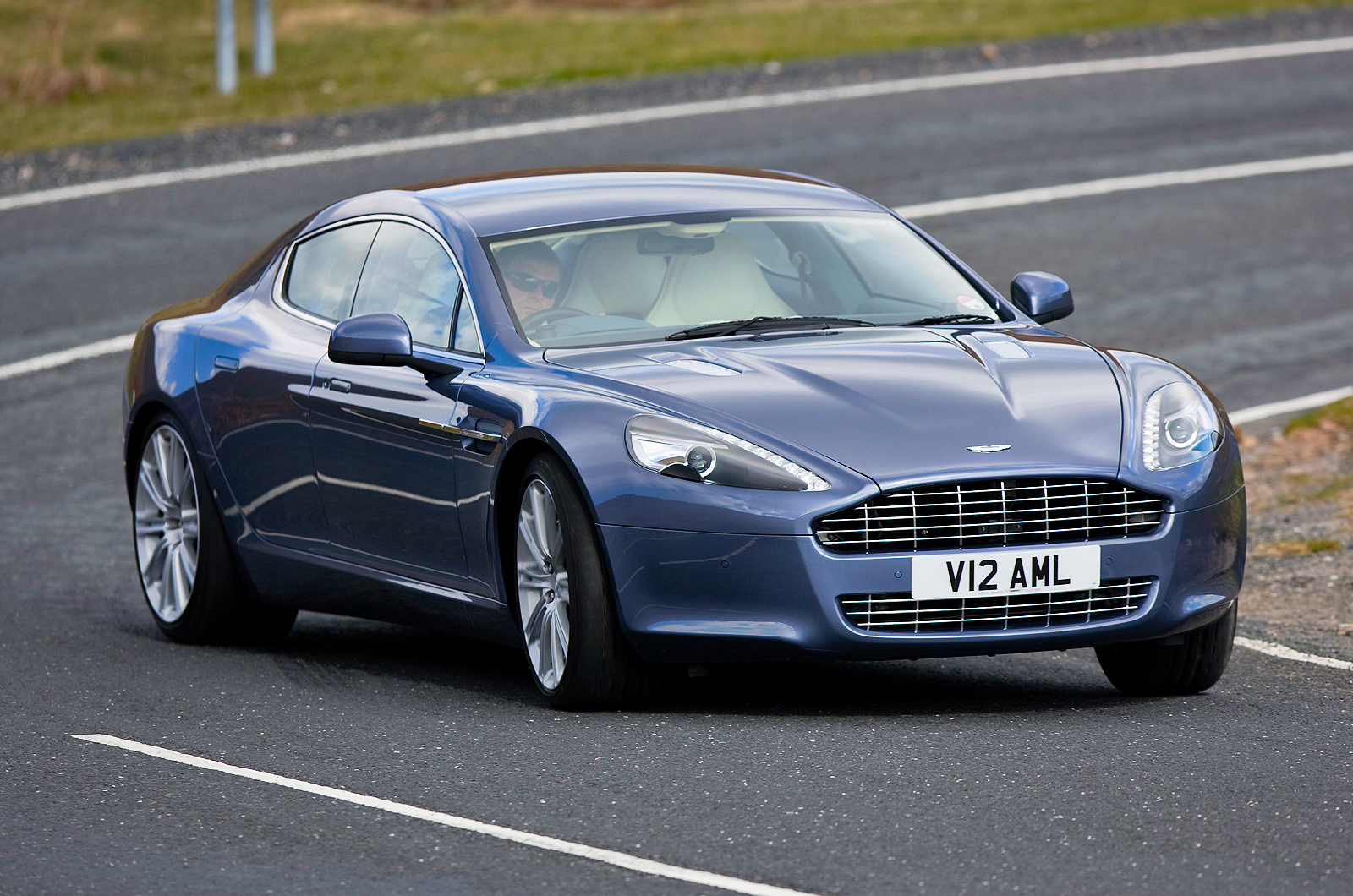
And in the metal the Rapide does not disappoint. It’s an unusually long car – more than a foot longer than the DB9 – but the fundamental proportions are certainly breathtakingly elegant. When people see this car they tend to smile and point.
Question is, does the Rapide work as a four-seater in practice and just how much of the Aston experience has been preserved in the transformation?
And the biggest test it faces is whether the Rapide has sufficient luxury and presence to justify its startlingly high price next to the likes of the Mercedes S-class, BMW 7-series and other rivals.
Aston Martin Rapide
The Aston Martin Rapide uses the same basic cabin and chassis architecture as all other Astons, known internally as the VH platform, and features the same bonded aluminium components to form a monocoque. 
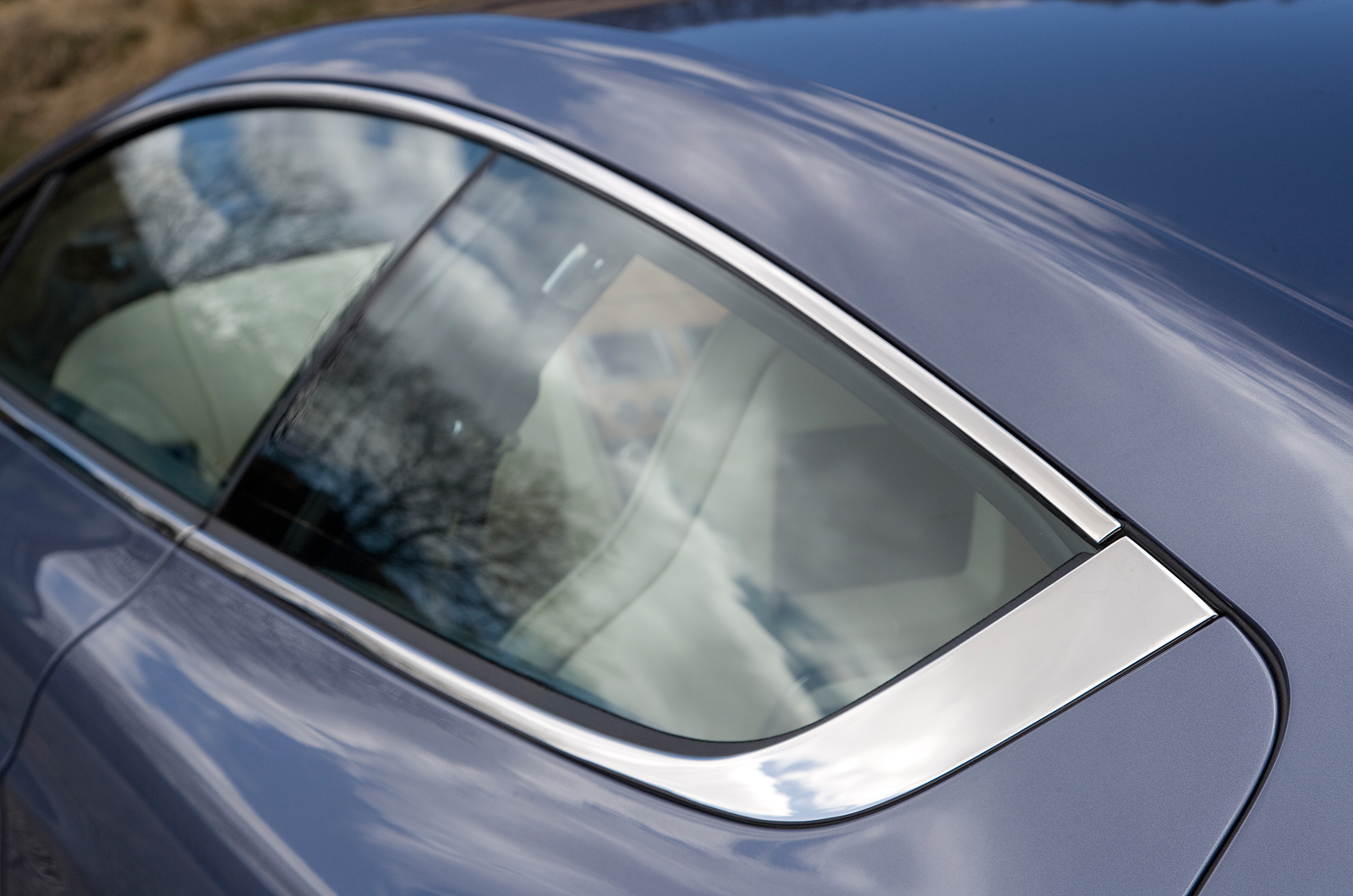
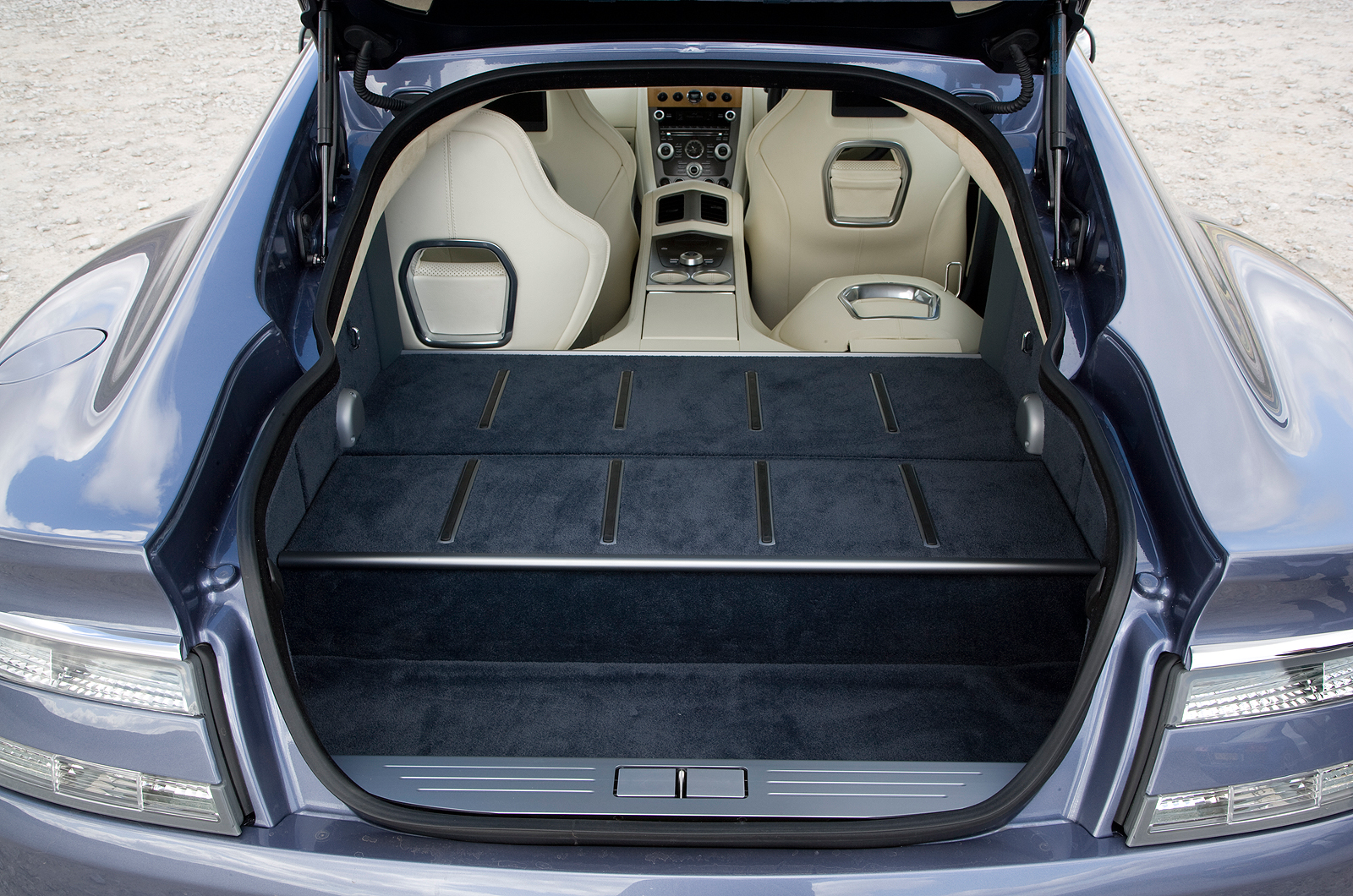
The big difference, of course, is that the Rapide is more than a foot longer than any other current Aston in order to accommodate its new, individually tailored rear seats. Which means an awful lot of extra strengthening has had to be engineered into the car to maintain stiffness. Hence the rear door apertures aren’t anywhere near as big as you’d expect, while the hatchback-style boot opening is also a fair bit narrower and shallower than it appears from the outside. 
Steve

Sutcliffe

Editor-at-large
The elongated Aston logo suits the stretched design theme displayed throughout the car
The upside is that the Rapide’s rear-wheel drive platform is unusually stiff for that of a big saloon and provides an excellent basis from which the all-round double wishbone suspension system can operate. The chassis also benefits from an electronic adaptive damper system with anti-lift and anti-squat geometry as standard, plus dramatic 20in wheels wearing bespoke Bridgestone Potenza S001 tyres.
Flush door handles are now an Aston Martin staple and appear on all four doors. They feel exceptionally well made, much like the rest of the car.
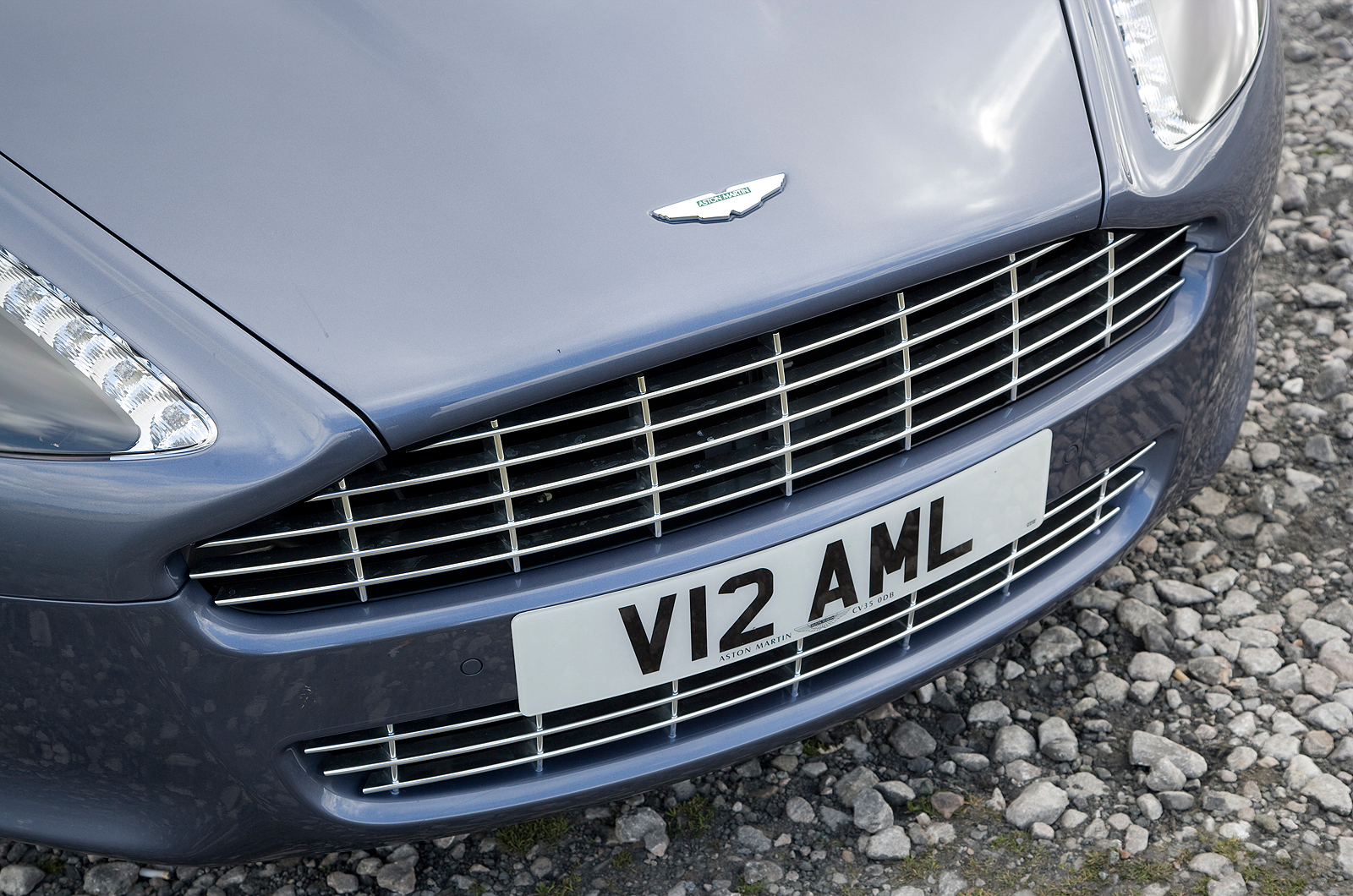
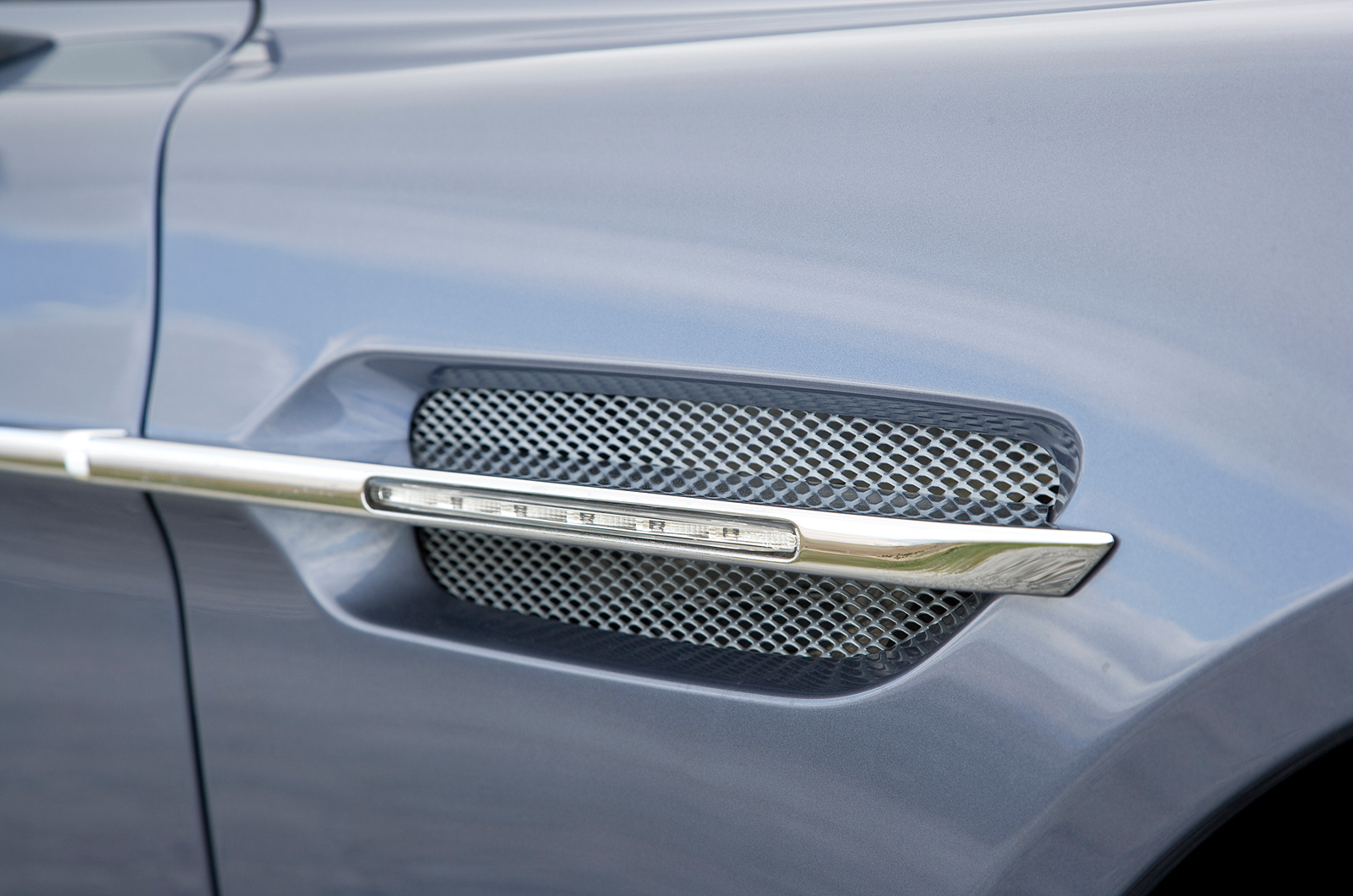
The elongated Aston logo on the bonnet suits the stretched design theme displayed throughout the car and have to be the longest wings seen on any Aston so far. The chromed mesh grille is rumoured to be the design template for all Astons in the future. It looks good, although how long it’ll stay that shiny is debatable.
At the back, rear lamp infills can be had in Magnum Silver if you want — albeit for more money. Rapide badging on the tail is relatively discreet and can be deleted at no extra cost
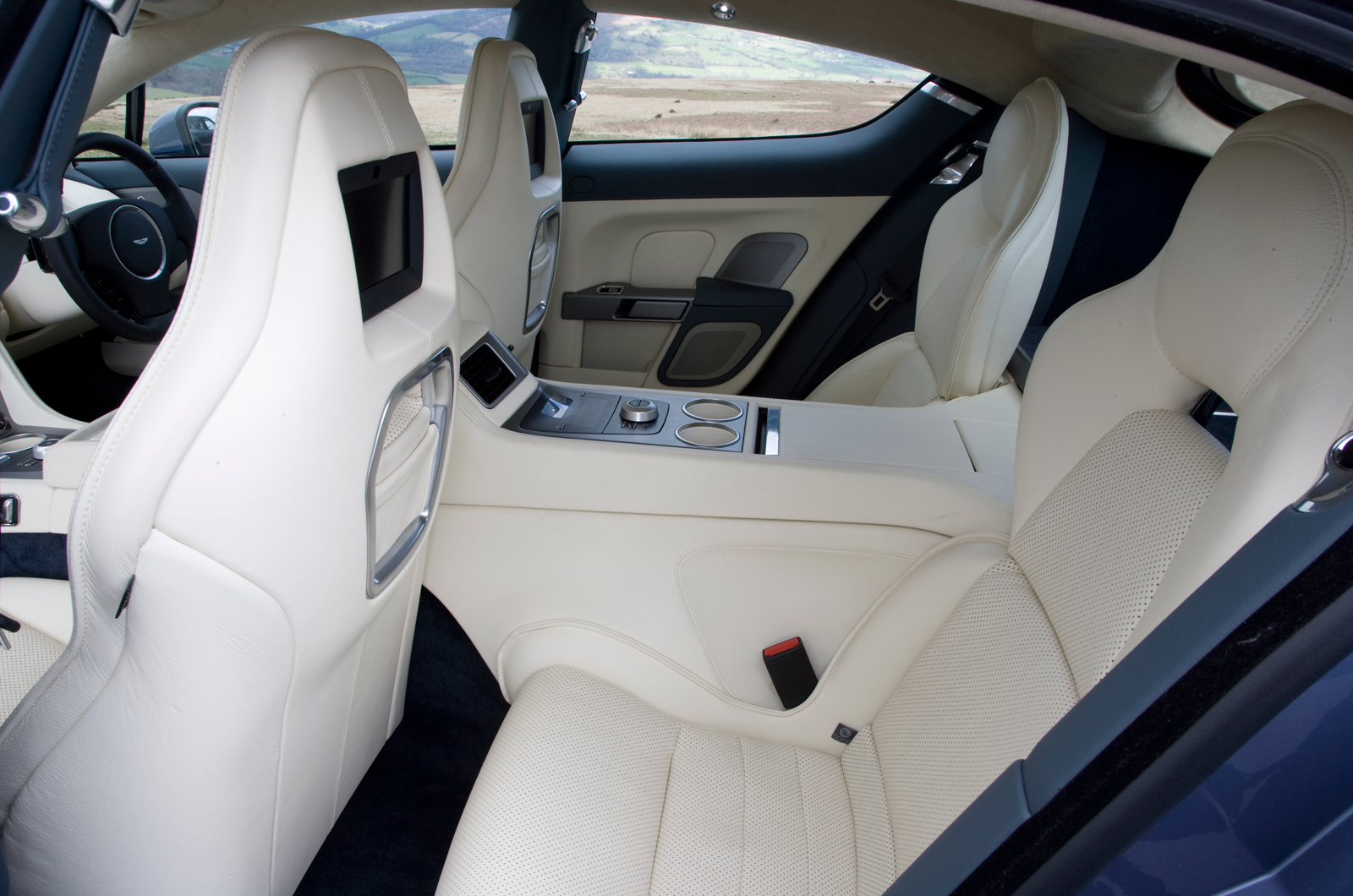
Let’s cut to the chase and talk about the Aston Martin Rapide’s single biggest bone of contention: the relatively tight proportions of the rear seats. The fact is that if you are over six feet tall and the person driving is of a similar height, you will struggle to get comfortable in the back of the Rapide – despite the seats themselves being beautifully sculpted and trimmed in ultra-high-quality leather. 
Not even the ability to individually control the air conditioning system from side to side will make up for the lack of knee room if you are over six feet tall – and that could well be a defining issue for some owners.
Matt

Prior

Road test editor
Tall transmission tunnel means two kids can’t both get into the rear cabin from the kerbside
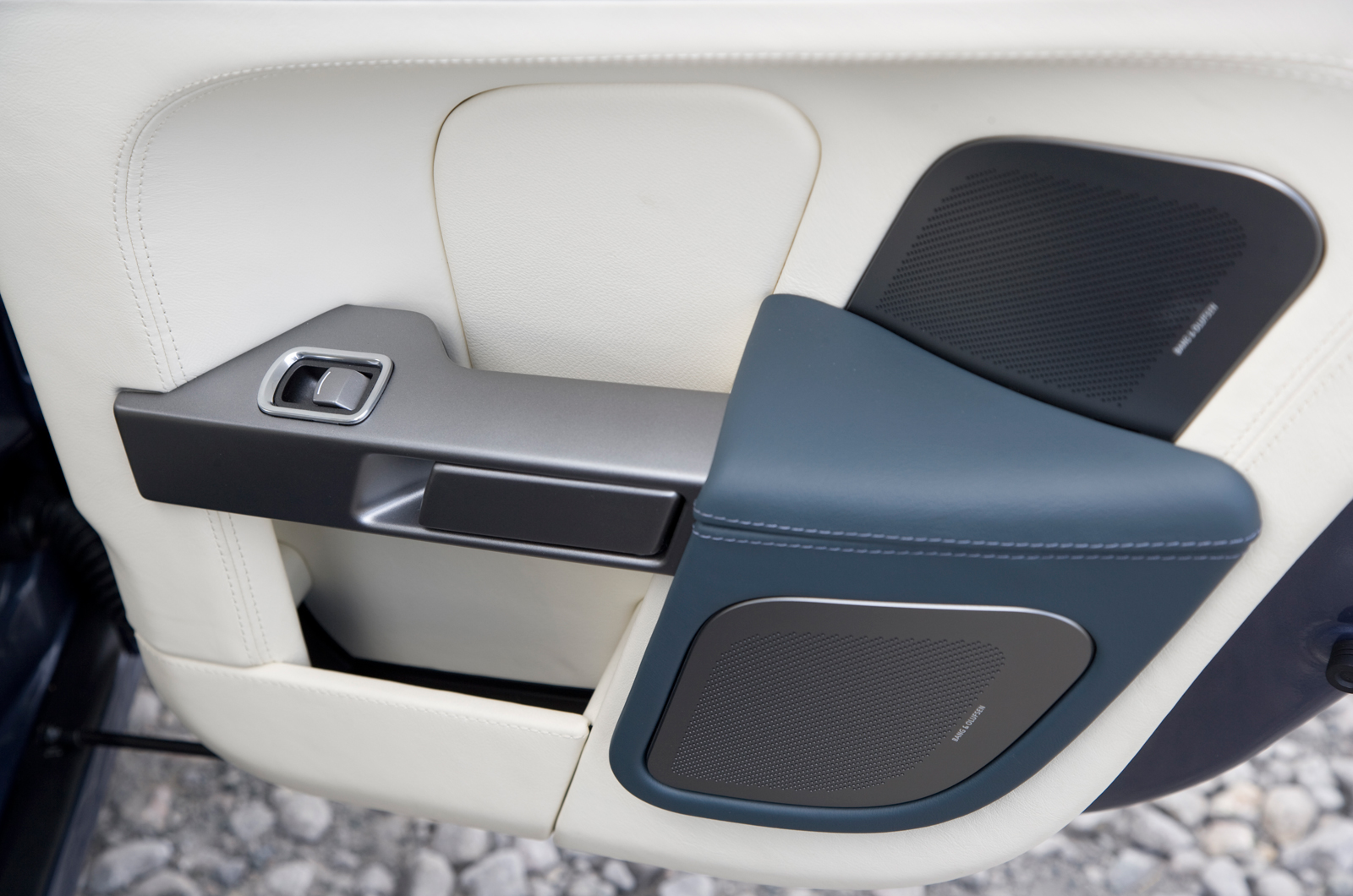
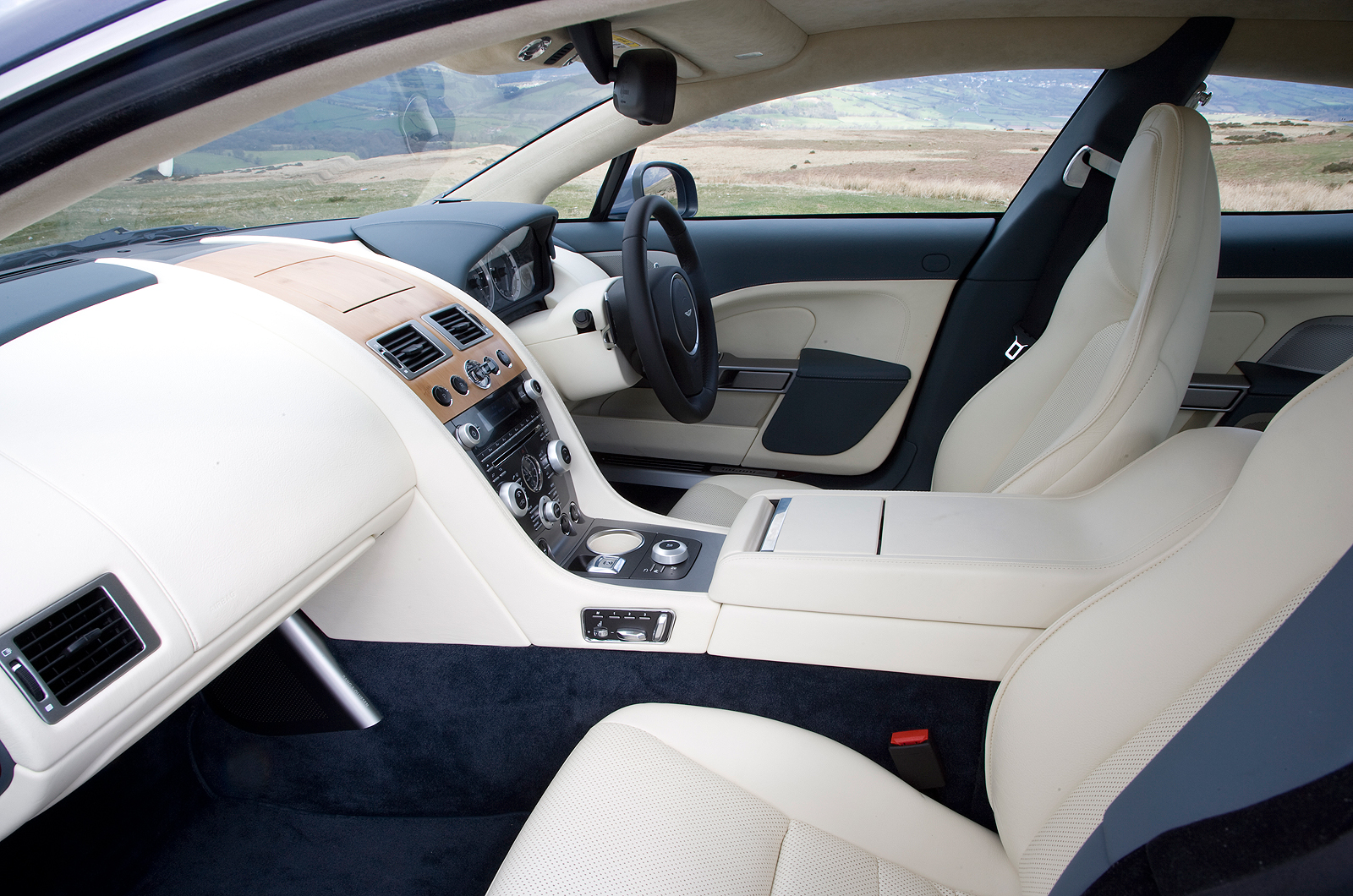
If you are shorter you will find the rear seats comfortably snug but still far from luxurious, which is a pity because the rest of the interior is absolutely outstanding. Build quality is, if anything, better than ever – while the combination of a very high standard specification and genuinely beautiful design touches mean the Rapide’s cabin is a hugely appealing place in which to find yourself.
In the end, the space compromise is one that will affect some buyers more than it will others – and it extends to the boot, which is an awkward shape and has a capacity of just 317 litres with the rear seats up (although this can be extended to 886 litres if you are prepared to fold the seats down). 
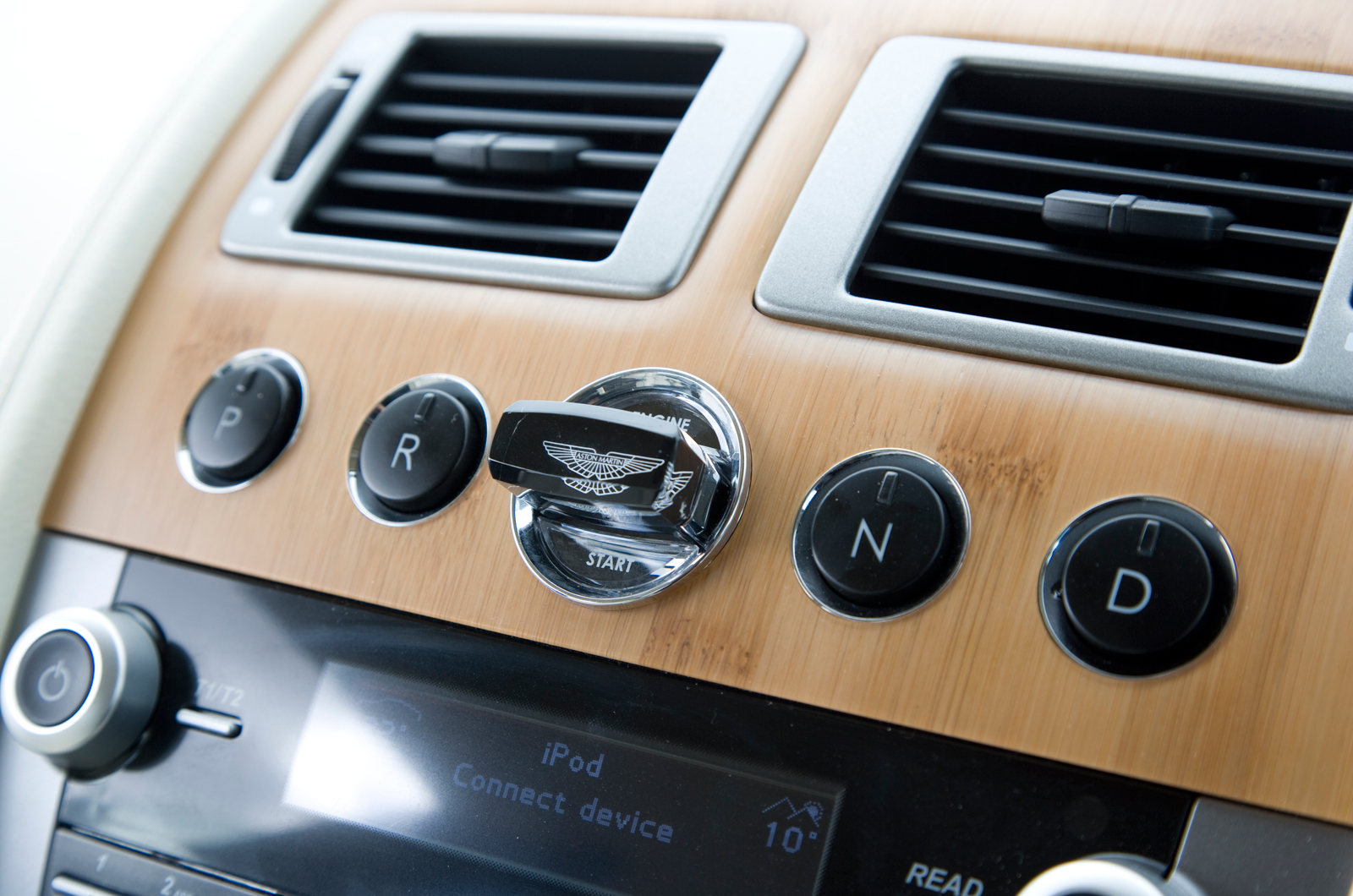
If there’s one other criticism it is that Aston’s standard dash layout, which features in the Rapide, puts form ahead of function. The jewel-like dials are beautiful to look at, but difficult to read.
But from a quality perspective the Rapide’s cabin has an awful lot going for it, especially beside the likes of the bigger but nowhere near as appealing Porsche Panamera.
Aston Martin Rapide
Although outright performance is far from the Aston Martin Rapide’s raison d’etre, it’s still an extremely quick car. Not as bombastic or obviously fast as a Porsche Panamera Turbo, perhaps, but still rapid enough to silence anyone lucky enough to climb aboard and experience its performance first hand.
Any car that can reach 60mph from rest in less than five seconds and 100mph in just 11.2sec is always going to feel impressive in a straight line, especially when enjoyed from one of the rear seats. 
Steve

Cropley

Editor-in-chief
The Rapide stops extremely well for such a big, relatively heavy car
Considering that the Rapide weighs two tonnes, the way it performs comes as a genuine surprise. And because it’s as refined as it is, you simply don’t expect it to accelerate with so much vigour in the mid-range. Yet that’s precisely where the Rapide is at its most effective. The way in which it gathers momentum so smoothly from 3000-4000rpm in the higher gears is testimony to the strong, even flow of torque that’s available; rarely does it seem necessary to venture much beyond this point in the rev range.
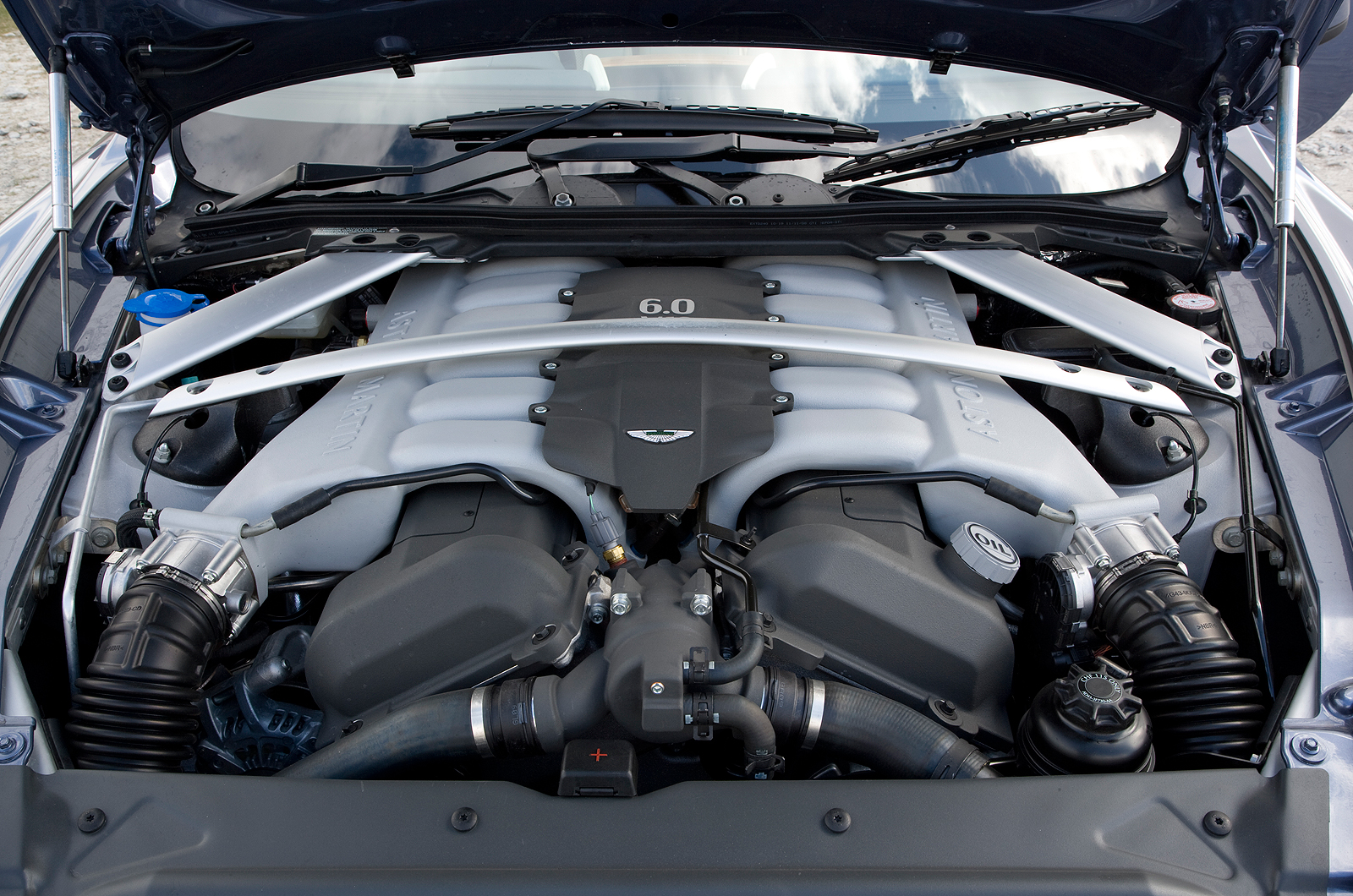
But when you do, another side of the Rapide’s personality is revealed. Between 5000rpm and the red line it becomes an altogether more aggressive, more responsive machine, emitting a fairly magnificent V12 sound from its previously subdued engine bay.
Better still is the way the paddle-shift gearbox works in conjunction with the engine to deliver either smooth, lazy shifts when left in D, or more urgent, sharper changes when in Sport mode and shifted manually via the paddles. 
It even stops extremely well for such a big, relatively heavy car. In the dry we recorded a 60-0mph time of just 2.44sec and there is plenty of decent pedal feel to go with the strong sense of retardation.